


Umrah Guide
Plan Your Tour
Guidelines On Umrah With Children or the Elderly
Umrah is a blessed journey, an act of Sunnah, and is highly rewarding. Embarking on the journey with children or elderly family members can be deeply rewarding and spiritually enriching, but it also requires careful planning, patience, and realistic expectations. Proper preparation ensures that Umrah with dependents remains a meaningful spiritual journey, not an exhausting challenge.
Let’s explore the practical and religiously mindful tips to help families perform Umrah safely, comfortably, and meaningfully.
Performing Umrah with Children
Taking children for Umrah is permissible in Islam and commonly practiced by families from around the world. However, parents and guardians should ensure that children are prepared emotionally and physically for the nature of the journey.
Prepare Children For The Purpose Of Umrah
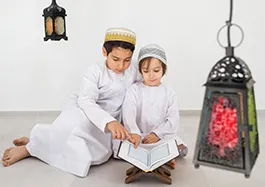
You should gently educate your children about what Umrah is and why the journey is being undertaken. Let them understand that Umrah is an act of ibadah, not a holiday, and it involves frequent visits to mosques, moments of patience, long walks, and other challenges.
Health & Vaccination Requirements
The Saudi officials require mandatory meningococcal (ACWY) vaccination for all Umrah pilgrims, including children. Depending on travel advisories, polio vaccination may also be required for children from certain countries. Parents should consult a healthcare professional and complete vaccinations well in advance to avoid side effects during travel.
Crowd Safety & Supervision
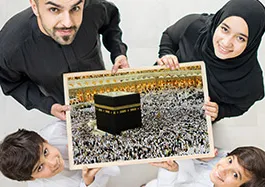
Both Masjid al-Haram and Masjid an-Nabawi are extremely crowded, especially during peak season. Never leave children alone during Umrah. Hold their hands at all times, consider using child ID bands, and choose less crowded prayer areas to minimise the risk of separation.
Strollers are generally not permitted inside the main Tawaf areas, but parents can rent wheelchairs for children if they need rest.
Performing Umrah with Elderly Parents
Performing Umrah with elderly parents is a noble act that carries immense rewards. However, you should always prioritise their safety, comfort, and health over completing the rituals in the fastest way possible.
Physical Capability And Medical Readiness
Before taking your elderly parents on the sacred journey of Umrah, take them for a basic medical assessment. If they suffer from chronic conditions such as heart issues, diabetes, or joint pain, ensure you carry sufficient medication along with valid prescriptions.
Use of Wheelchairs & Assistance
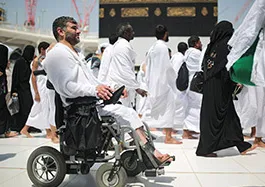
Saudi authorities provide free wheelchair services in Masjid al-Haram, with paid assistants also available. Tawaf and Sa’i can be performed entirely in a wheelchair if needed, which is Islamically valid.
Choosing the Right Time for Rituals
When performing Umrah with elderly parents, always choose less crowded times for performing the rituals to reduce physical strain. Avoid peak hours whenever possible.
Patience & Compassion
Caring for elderly parents during Umrah requires patience, kindness, and emotional awareness. Assisting them in worship is itself a form of ibadah.
The Prophet ﷺ said:
“If a young person honours an elderly person due to his age, Allah appoints someone to honour him in his old age.”
(At-Tirmidhi)
Umrah for Disabled or Differently-Abled Pilgrims
Umrah is not an obligatory act of worship and is recommended only for those who are physically and financially able. However, Muslims with disabilities who wish to perform Umrah may do so with proper arrangements.
Facilities & Accessibility
Masjid al-Haram and major airports in Saudi Arabia are well-equipped with:
- Wheelchair access
- Designated Tawaf routes
- Assistance staff (upon request)
Planning Ahead
Inform your travel provider and airline in advance about special needs. Carry medical documents and ensure accommodation is close to the Haram to reduce walking distance.
Islam does not require hardship in worship. When performing Umrah with children, the elderly, or those with special needs, the intention, care, and effort itself is rewarded—even if every Sunnah act cannot be completed perfectly.


Recommended Hajj Tour

 7 Nights
(4 Nights)

(3 Nights)
 Flights
 Transfer
 Visa
Visa
 Breakfast
7 Nights
Breakfast
7 Nights 7 Nights
(4 Nights)
(3 Nights)
Flights
Transfer
Visa
Breakfast
7 Nights 7 Nights
(4 Nights)
(3 Nights)
Flights
Transfer
Visa
Breakfast
7 Nights
7 Nights(4 Nights)
(3 Nights)
Flights
Transfer
Visa
Breakfast
7 Nights