


Umrah Guide
Plan Your Tour
What are the Different Methods/Forms of Performing Umrah?
Umrah is a beautiful journey of devotion that brings a believer closer to Allah (SWT). While it is not obligatory like Hajj, Umrah is a highly recommended Sunnah, carrying immense spiritual significance and barakah. Being granted the opportunity to perform Umrah is a great honour and a sign of Allah’s mercy upon a believer.
The Prophet Muhammad ﷺ performed Umrah multiple times during his lifetime, demonstrating its virtue and encouraging the Ummah to undertake this blessed journey whenever possible. Umrah not only purifies the heart, soul or wipes your sins, but the pilgrimage also leaves a lasting spiritual impact that often leads to spiritual transformation. The journey strengthens the pilgrim’s relationship with worship, faith and daily life.
According to Islamic principles, Umrah is generally classified into two forms, based on timing and intention, not on differences in rituals.
Two Types Of Umrah
Umrah-ul-Mufradah (Independent Umrah): This form of Umrah is performed all throughout the year except in the days of Hajj. It is independent of Hajj and can be performed at any time of the year.
Umrah-ul-Tamattu (Umrah Combined with Hajj): This form of Umrah is performed in conjunction with Hajj during the time of Hajj but before the commencement of Hajj rituals, i.e. before the 8th Dhul Hijjah.
Key Points On Umrah Procedures
There is no difference in the rituals or method of performing Umrah al-Mufradah and Umrah al-Tamattu. In both cases, it is obligatory to:
- Enter the state of Ihram
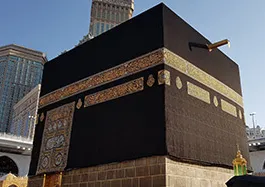
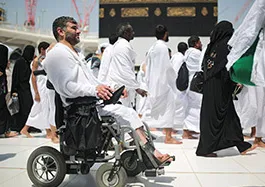
- Perform Tawaf around the Kaaba
- Offer Sa’i between Safa and Marwah
- Complete Halq or Taqsir (shaving or trimming the hair)
Ihram must be assumed from one of the designated Meeqat points. However, if a person is already in Makkah and intends to perform Umrah al-Mufradah, it is permissible to exit the Haram boundary and assume Ihram from locations such as Masjid Aisha (Tan‘eem), Hudaybiyyah, or Ja‘ranah, without travelling to the main Meeqat.
This understanding of the types of Umrah helps believers to plan their pilgrimage with correct intention (niyyah), clarity and confidence; ensuring their ibadah lies under the Islamic guidance.


Recommended Hajj Tour

 7 Nights
(4 Nights)

(3 Nights)
 Flights
 Transfer
 Visa
Visa
 Breakfast
7 Nights
Breakfast
7 Nights 7 Nights
(4 Nights)
(3 Nights)
Flights
Transfer
Visa
Breakfast
7 Nights 7 Nights
(4 Nights)
(3 Nights)
Flights
Transfer
Visa
Breakfast
7 Nights
7 Nights(4 Nights)
(3 Nights)
Flights
Transfer
Visa
Breakfast
7 Nights